The Living Pulse of the Maya: A 2026 Cultural Immersion Guide
The Living Pulse of the Maya: A 2026 Cultural Immersion Guide
To walk through the Yucatán Peninsula is to step into a living, breathing paradox. While the towering limestone pyramids of Chichén Itzá and Uxmal are often termed "ruins," the culture that built them is anything but dead. In 2026, the Maya culture is experiencing a powerful renaissance—a digital and physical reclamation of identity that blends 3,000 years of tradition with modern innovation.
When you purchase your official Yucatán tickets, you aren't just buying access to a stone monument; you are entering a sacred landscape where the Maya language is still spoken at breakfast tables, where ancient stingless bees still provide medicinal honey, and where the stars still dictate the planting of corn. This is your definitive guide to the soul of the Yucatán: The Mayan Culture.
1. The Maya Worldview: The "Cosmovisión"
At the heart of Maya culture lies the Cosmovisión—a complex understanding of the universe where every living thing is interconnected. In 2026, as the world grapples with climate change, the Maya concept of Kanan K’iin (protecting the sun/day) has never been more relevant.
The Three Realms
The Maya see the world as a three-tiered structure:
The Upper World (Caan): The realm of the 13 gods of the heavens.
The Middle World (Cab): The physical earth where humans, animals, and plants coexist.
The Underworld (Xibalba): The "Place of Fear" located within the cenotes and caves.
For the Maya, the Ceiba Tree (Ya’axché) is the Axis Mundi—the world tree whose roots reach into Xibalba and whose branches support the heavens. When you visit a site like Ek Balam, you will see this tree depicted in the intricate stucco friezes, a silent reminder that the Maya never saw themselves as separate from nature.
2. Language: The Sound of the Peninsula
In 2026, Maayat’aan (Yucatec Maya) remains one of the most widely spoken indigenous languages in North America. Unlike many "extinct" ancient tongues, Maya is a vibrant, evolving language.
The Linguistic Hook: When you travel through the "Pueblos Mágicos" of Izamal or Mani, you will hear the glottal stops and rhythmic clicks of Maya.
The Modern Shift: In 2026, Maya "Hip-Hop" and digital literature have become tools for the youth to reclaim their heritage. This linguistic pride is the "Invisible Architecture" of the Yucatán. Learning a simple "Bix a beel?" (How are you?) will open more doors than any VIP ticket.
3. The Sacred Cenote: More Than Just a Swim
While social media often portrays cenotes as "instagrammable swimming holes," for the Maya, they are the Xibalba gateways.
The Ritual of the Water
In 2026, the Cha-Chaac ceremony is still performed during droughts. Maya priests (H-Men) gather at the edge of cenotes to petition the rain god, Chaac, for a bountiful harvest.
Visitor Etiquette 2026: Many cenotes now require a traditional "Permiso" (permission) ritual before entry. This isn't just for show; it’s a respect-based practice that acknowledges the spirits (Aluxes) that guard the water.
4. Maya Gastronomy: The Chemistry of the Earth
The food of the Yucatán is a 3,000-year-old science project. It is defined by Nixtamalization—the process of soaking corn in lime water to unlock its nutritional value.
The Pib: The Underground Oven
The most famous Maya dish, Cochinita Pibil, takes its name from the Pib—an earthen pit lined with hot stones and banana leaves.
The 2026 Trend: "Ancestral Dining" is the leading travel trend in the Yucatán this year. Tourists are moving away from buffet lines and toward "Milpa-to-Table" experiences in community-led cooperatives near Cobá. Here, you taste the Achiote (annatto) and the Habanero in their purest forms.
5. The Milpa: The Original Sustainable Farm
The Milpa is the foundation of Maya survival. It is an intercropping system where the "Three Sisters"—Corn, Beans, and Squash—are grown together.
Corn provides the trellis for the beans.
Beans fix nitrogen in the soil.
Squash leaves shade the ground to keep it moist.
In 2026, the Milpa is being studied by international ecologists as a model for "Regenerative Agriculture." When you drive through the jungle, those small clearings aren't "deforestation"—they are carefully managed Maya gardens that have fed millions for millennia.
6. The Melipona Bee: The Sacred Alchemist
The Melipona bee (Xunaan-Kab) is a stingless bee native to the Yucatán. To the Maya, they are a gift from the gods.
Medicinal Gold: Their honey is rare, expensive, and used to treat everything from cataracts to respiratory issues.
The 2026 Renaissance: After nearly going extinct due to industrial farming, Meliponiculture has returned. Visiting a Meliponario in Tulum or Mérida allows you to taste "God’s Honey" and support the women-led cooperatives that protect these sacred insects.
7. Maya Mathematics and the Long Count
The Maya were the first civilization to utilize the concept of Zero. Their base-20 (Vigesimal) system allowed them to calculate time into the millions of years.
The 2026 Alignment
If you visit Chichén Itzá during the Spring Equinox of 2026, you will witness the "Descent of Kukulcán." The shadow of the serpent slithering down the El Castillo pyramid is a masterclass in archaeo-astronomy. It proves that the Maya didn't just "observe" the heavens; they built their cities as mirrors of the galaxy.
8. Hanal Pixán: The Soul’s Feast
While Mexico celebrates "Day of the Dead," the Yucatán celebrates Hanal Pixán (Food for the Souls).
The Ritual: Altars are decorated with Cempasúchil flowers, green crosses, and the favorite foods of the departed.
The Experience: If your official Yucatán tickets bring you here in late October or early November 2026, you will see a version of this tradition that is distinct from the rest of Mexico—more solemn, more focused on the communal Mucbipollo (a giant corn pie), and deeply rooted in the idea that the ancestors never truly leave.
9. Textile Art: The Huipil as a Map
The Huipil (traditional white dress) is the "Identity Card" of the Maya woman. The intricate embroidery around the neck and hem isn't random; the patterns represent the cosmos, the local flora, and the weaver’s village.
Modern Fashion: In 2026, Maya designers are appearing on global runways, blending traditional hand-embroidery with contemporary silhouettes. Buying a hand-stitched Huipil directly from a weaver in Tixkokob is an act of cultural preservation.
10. The 2026 Maya: Resilience and Modernity
The most common mistake tourists make is treating the Maya as a "past tense" people. In 2026, the Maya are Coders, Doctors, Activists, and Chefs.
The Digital Maya: Social media has allowed Maya youth to create "Maya-TikTok" and YouTube channels dedicated to teaching the language and protecting land rights.
The Tren Maya Impact: As the train connects remote villages, there is a fierce debate within the culture. Some see it as an opportunity for economic sovereignty; others see it as a threat to the jungle's sanctity. Engaging with this nuance is what makes you a Responsible Traveler.
Conclusion: How to Respectfully Experience Maya Culture
To experience the true Yucatán, you must look beyond the resort walls.
Hire Local Guides: When you book your official Chichén Itzá tickets, look for guides from the neighboring communities like Pisté. They carry the oral histories passed down through generations.
Support Cooperatives: Buy your honey, textiles, and salt from local Maya-owned cooperatives.
Learn the Names: Don't just see "the ruins." See the House of the Magician, the Temple of the Warriors, and the Nunnery Quadrangle.
The Maya culture is a tapestry of stone, sky, and corn. It is a culture that has survived drought, conquest, and modernization. In 2026, it invites you to look up at the stars and down into the cenotes, and realize that we are all part of the same Great Cycle.
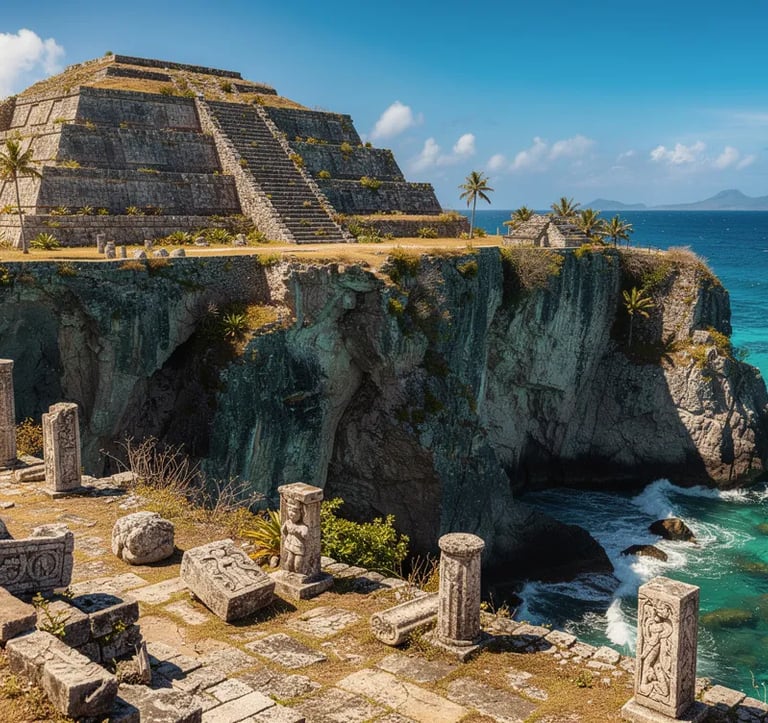
From Deep Cenotes to Ancient Summits—Skip the Lines and Start the Adventure.


100% Secure Booking - Official 2026 Ticket Links | Your Gateway to the Maya World: Secure Tickets, Expert Guides, Unforgettable Memories.
© Yucatantickets.com 2026
All rights reserved. Privacy Policy. Terms and Conditions.