Chichen Itza Facts: History, Secrets, and Wonders
Discover captivating Chichen Itza facts, from its ancient rituals to impressive architecture. Uncover the secrets behind this Wonder!
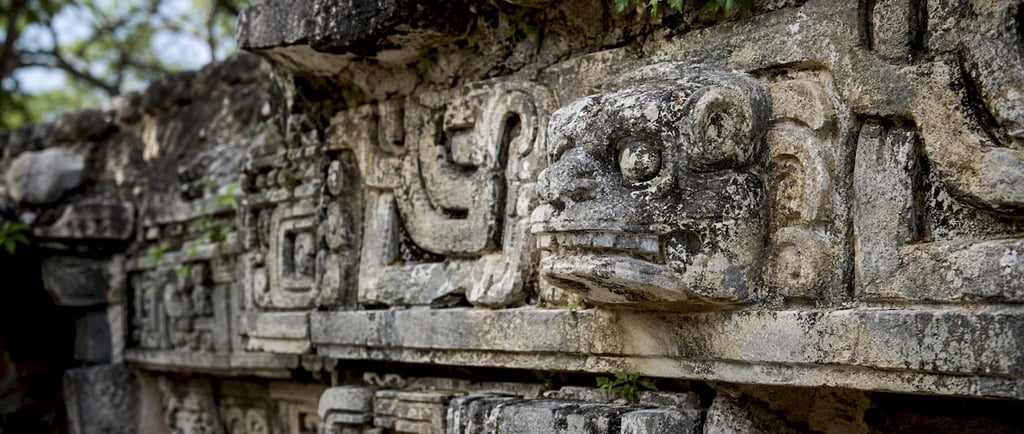
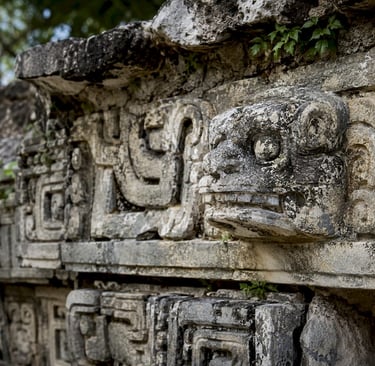
Chichen Itza is one of the most extraordinary archaeological sites on earth, and the facts behind it are far more gripping than the postcard version. This ancient Maya city in Mexico's Yucatán Peninsula was designated a UNESCO World Heritage Site in 1988 and voted one of the New Seven Wonders of the World in 2007. At its peak, it housed an estimated 35,000 people across roughly 4 square miles, making it one of the largest cities in the entire Maya world. Here are the key Chichen Itza facts you need to know before you go deeper:
The name means "at the mouth of the well of the Itza," a direct reference to the sacred cenotes that made the site habitable
El Castillo pyramid has exactly 365 steps, one for each day of the solar year
The Sacred Cenote served as a site of ritual sacrifice, with gold, jade, and human remains recovered from its depths
The Great Ball Court is the largest in the Americas, measuring 168 meters long and 70 meters wide
Chichen Itza blends Maya and Toltec architectural traditions, reflecting cultural acculturation rather than conquest
The site receives approximately 9.9 million visitors per year as of 2025
A hidden cenote was discovered beneath the Temple of Kukulkan in 2015
The city was artificially leveled over rough terrain to accommodate its monumental architecture
Chichen Itza served as a major trading hub, importing obsidian from central Mexico and gold from Central America
Decline came from a combination of prolonged drought, political fragmentation, and population shifts to Mayapan
How did Chichen Itza rise and fall over the centuries?
Chichen Itza's origins trace to around the 6th century CE, when settlers were drawn to the area by its reliable access to water through natural limestone sinkholes called cenotes. The city grew steadily through the Late Classic period (roughly 600–900 AD), eventually becoming a dominant regional capital controlling much of northern and central Yucatán by the 10th century.
Around 800 AD, a group known as the Itza began arriving and gradually establishing themselves alongside the local Maya population. Their name, given by locals and meaning roughly "those who speak our language brokenly," became part of the city's identity. A second major cultural shift came with Toltec influence from central Mexico, likely through trade and migration rather than outright military conquest.
By 900–1050 AD, Chichen Itza had expanded into a powerful economic force, operating a maritime trade network through its port at Isla Cerritos on the northern coast. The city imported obsidian from central Mexico and gold from southern Central America, goods unavailable locally. That reach made it one of the most connected cities in pre-Hispanic Mesoamerica.
Decline came gradually after the 13th century. Long-term droughts stressed the cenote-dependent water supply, while political fragmentation shifted power to Mayapan. By around 1440 AD, the city had been largely abandoned. The ruins sat largely untouched until formal excavations began in 1841.
What are the major structures and architectural styles at Chichen Itza?
The architecture at Chichen Itza is the clearest evidence of its multicultural history. No single style dominates; instead, the site layers Puuc, Chenes, and Toltec traditions across dozens of structures, each reflecting a different period of the city's development.
El Castillo (Temple of Kukulkan): This 30-meter step pyramid is the site's centerpiece. Its four staircases hold 91 steps each, and the top platform adds one more, totaling 365. During the spring and fall equinoxes, the setting sun casts a shadow along the northern staircase that resembles a serpent descending toward the stone serpent head at the base.
The Great Ball Court: At 168 meters long and 70 meters wide, it is the largest ball court in the Americas. Players used only their hips, knees, and elbows to drive a rubber ball through stone hoops set high on the walls. The acoustic design allows a whisper from one end to be heard clearly at the other, over 150 meters away.
Temple of the Warriors: A large stepped pyramid flanked by carved columns depicting warriors, closely analogous to Temple B at the Toltec capital of Tula. A Chac Mool statue sits at the pyramid's summit, its bowl-shaped torso used as an altar.
Las Monjas: Despite the Spanish nickname ("The Nunnery"), this was a governmental palace built in the Puuc style, characterized by intricate stone mosaics and geometric patterns.
The Sacred Cenote: A natural sinkhole 60 meters in diameter, with sheer cliffs dropping 27 meters to the water below. Thousands of objects, including gold, carved jade, pottery, and human remains, have been recovered from its depths.
El Caracol: A circular observatory whose windows and doorways align with the movements of celestial bodies, particularly Venus. It remains one of the most visually distinctive structures on the site.
Sacbeob: Nearly 100 paved roads and walkways connected the site's monuments, a feat that predated paved streets in many European cities of the same era.
The terrain beneath all of this was artificially leveled over broken limestone, requiring enormous labor. The greatest effort went into flattening the areas for El Castillo and Las Monjas.
Why did Chichen Itza matter so much to the ancient Maya?
Chichen Itza was not simply a city. It functioned simultaneously as a spiritual center, a military headquarters, a commercial hub, and a political capital for the northern Maya lowlands. That combination of roles, sustained over centuries, explains why its influence extended across the entire Yucatán cultural zone from the 10th to the 15th century.
Ritual life was woven into the physical fabric of the city. The Sacred Cenote served as a place of pilgrimage where, during droughts, the Maya conducted sacrifices to appeal to the rain god Chaac. Archaeological evidence confirms this: thousands of objects including gold, jade, flint, obsidian, and human remains with wound marks have been recovered from the cenote floor.
The feathered serpent deity Kukulkan was central to the city's religious identity, and El Castillo was built as a direct expression of that belief. The serpent shadow at the equinox, the 365-step calendar structure, and the astronomical alignments throughout the site all point to a civilization that understood the cosmos and built it into stone.
Today, Chichen Itza draws approximately 9.9 million visitors annually, making it one of Mexico's most visited archaeological sites. Its dual recognition as a UNESCO World Heritage Site and a New Seven Wonder of the World reflects a global consensus about its importance. For visitors planning a trip, Yucatantickets offers Chichen Itza day tours with expert guides who bring these layers of history to life on the ground.
What do researchers and archaeologists say about Chichen Itza today?
The popular image of Chichen Itza as a purely Maya site built by a single civilization is one of the first things serious research corrects. The blend of Maya and Toltec traditions visible across the site reflects acculturation, a gradual merging of cultural practices through contact, trade, and migration, rather than military takeover. That distinction changes how you read every structure.
The site's alignment with natural cenotes was deliberate. Researchers describe the layout as an axis mundi, with the pyramid rising equidistantly between four cenotes representing the cardinal directions. The hidden cenote discovered beneath El Castillo in 2015 may represent a fifth, central point in that cosmological scheme.
The "serpent shadow" at the equinox is visually striking, but some researchers caution against reading it as a precisely engineered astronomical message. The Maya worldview was complex, and modern interpretations sometimes project contemporary frameworks onto ancient intentions.
The acoustic phenomena at the ball court and pyramid are now understood as intentional engineering, not coincidence. The chirp-like echo at El Castillo resembles the call of the quetzal bird, a sacred animal in Maya culture.
Early 20th-century excavations by Edward Herbert Thompson, who dredged the Sacred Cenote and shipped artifacts abroad, remain controversial. Some recovered objects eventually returned to Mexico, but the episode shaped how international archaeology handles cultural patrimony.
Ongoing work continues to reshape the site's story. A section now known as Chichen Viejo, believed to be an elite residential area, was opened to the public in 2023 following recent discoveries.
Pro Tip: Visit during the spring or fall equinox to see the serpent shadow on El Castillo, but book well in advance. The site draws enormous crowds on those dates, and arriving early in the morning gives you the best light and the most space.
For a deeper look at the mysteries still being uncovered, Yucatantickets has a full guide on the history and mysteries of the site. If you're planning a broader Yucatán trip, their 2026 travel guide covers everything from logistics to the best time of year to go. You can also find guided tours at GorillaGuides for additional options across major Yucatán sites.
Key Takeaways
Chichen Itza is a UNESCO World Heritage Site and New Seven Wonder of the World that blended Maya and Toltec cultures across nearly a millennium of occupation, reaching a peak population of 35,000 people.
Name and location: "At the mouth of the well of the Itza," located in Mexico's Yucatán Peninsula, founded around the 6th century CE near life-giving cenotes
El Castillo pyramid: 365 steps mirror the solar calendar; the equinox serpent shadow is one of the most precise astronomical alignments in ancient architecture
Sacred Cenote: Used for ritual sacrifices during droughts; gold, jade, flint, and human remains with wound marks have been recovered from its depths
Cultural fusion: The site reflects acculturation between Maya and Toltec traditions, not conquest, making it the most important example of Maya-Toltec civilization in Yucatán
Modern significance: Approximately 9.9 million visitors per year as of 2025; ongoing excavations, including the 2015 discovery of a hidden cenote beneath El Castillo, continue to reshape understanding of the site
Recommended


100% Secure Booking - Official 2026 Ticket Links | Your Gateway to the Maya World: Secure Tickets, Expert Guides, Unforgettable Memories.
© Yucatantickets.com 2026
All rights reserved. Privacy Policy. Terms and Conditions.