CHICHEN ITZA
CHICHEN ITZA TICKETS
Visiting Chichen Itza
One of the largest Mayan city, the Chichen Itza. Explore the ancient city with numerous temples and pyramids, surrounded by beautiful rainforest with its pathways and wildlife. Book your Chichen Itza tickets now.
Highlights
Superb Mayan architecture
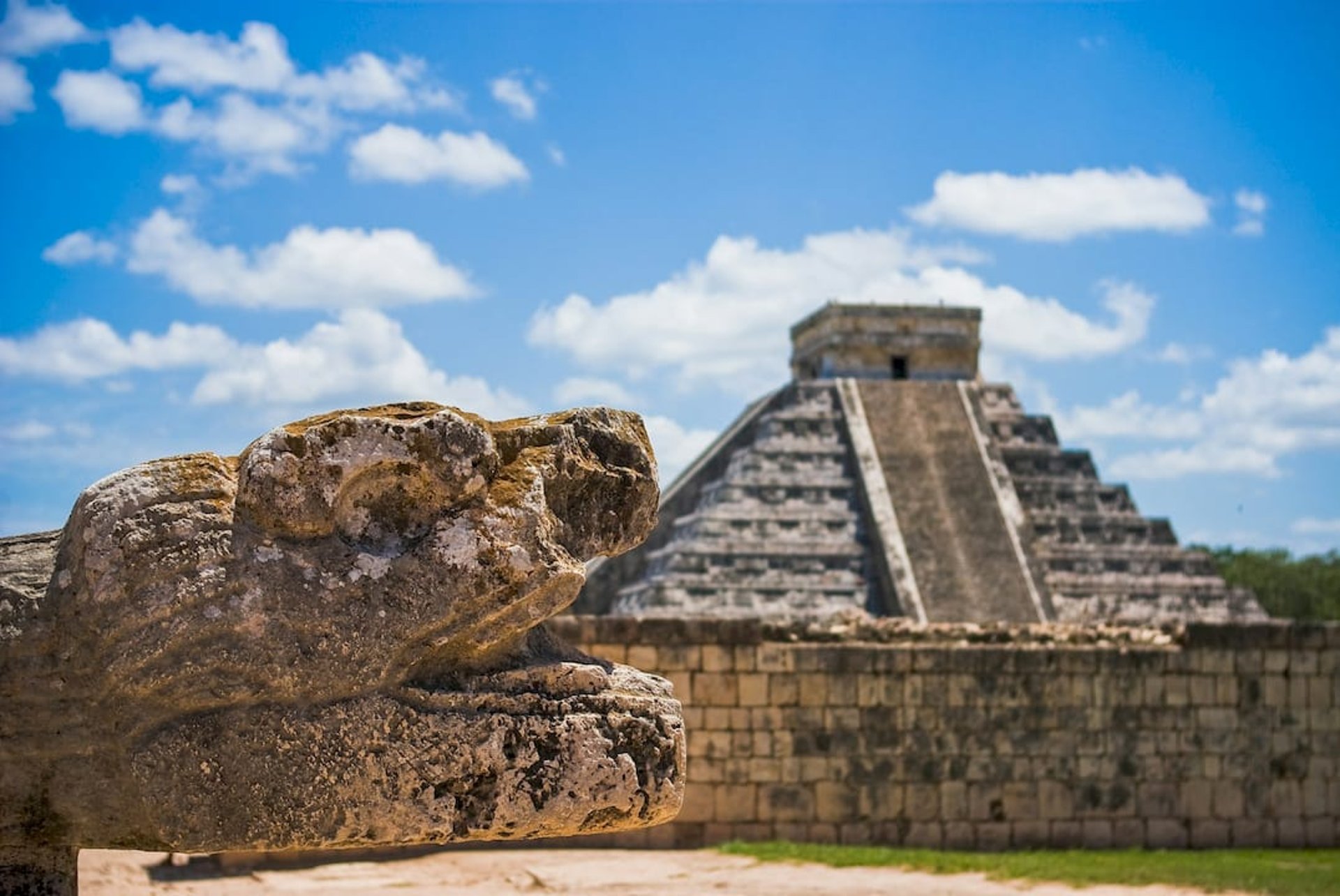
Pyramid of Kukulcan
Located in the rainforest
Instant e-tickets
Easy booking
What is included ?
Access to Chichen Itza
Skip the line ticket
Depending on tour package:
Guide for the day
Transfers
Buffett
Inclusions are subject to change depending on ticket provider
Book Online Tickets and visit Chichen Itza
The Ultimate Guide to Visiting Chichen Itza: Tips and Highlights
Situated on the Yucatan Peninsula, Chichén Itzá stands as a testament to the grandeur of Mayan culture and is rightfully recognized as one of the New Seven Wonders of the World. This historic site in Mexico has been designated as a UNESCO World Heritage site, encompassing numerous remarkable ruins that reveal its rich history. In this guide, we provide valuable recommendations for your trip preparation, detail prominent architectural features worth exploring, and delve into insights regarding the heritage of Mayan civilization. For practical visiting tips, note that Chichén Itzá has specific entry policies and experiences higher visitor numbers on certain days, and visitors should be aware of current admission fees when planning their visit.
Key Takeaways
Chichen Itza, a UNESCO World Heritage Site and one of the New Seven Wonders of the World, showcases the architectural and cultural achievements of the ancient Maya, highlighted by significant structures like El Castillo, the Great Ball Court, and El Caracol.
The site features sacred cenotes that served both practical and spiritual roles in Mayan life, with the Sacred Cenote being central to religious practices and the Xtoloc Cenote providing vital water for daily activities.
Enhancing your visit to Chichen Itza includes planning around ticketing, guided tours, and optimal visiting times, while also considering practical tips for comfort and accessibility.
Sundays are the busiest days at Chichen Itza due to free entry for Mexican nationals and residents, resulting in long queues and crowds. If you want to avoid the largest crowds, consider visiting on a day other than Sunday.
Chichen Itza Overview
If you're venturing to the Yucatan Peninsula, a trip to the enigmatic city of Chichen Itza is essential. Nestled in the heart of the northern Maya lowlands, this remarkable ancient city stands as an emblem of Mayan civilization and has been designated one of the New Seven Wonders of the World for its outstanding historical importance. “Chichen Itza” translates from Mayan language as “Mouth of The Well Of Itza,” highlighting its pivotal location near vital cenotes that served significant roles for those living during its prime.
The archaeological site bears witness to both extraordinary craftsmanship and profound cultural depth attributed to early inhabitants—the Mayans—whose innovation peaked around 600 A.D., forming what became known as one among paramount kingdoms within their dominion. It was originally founded by gifted people identified by ‘water sorcerers,' or ‘Itzas.''
Nowadays, Chichen Itza serves not just as monumental ruins, but also provides a gateway into understanding rich traditions and achievements tied closely to those who crafted them long ago: the Maya. To immerse oneself fully in uncovering these mysteries preserved over time amongst stones and temples here at Yucatan's unrivaled remnants ensconced amidst verdant landscapes is indeed possible when planning your own visitation route. Visitors can walk around the ruins to experience firsthand the historical significance and natural surroundings, discovering why exactly this spot remains integral within global heritage—it's where wonders wrought by hands now lost echo through centuries witnessed unto our present-day world.
Introduction to Mayan Ruins
Chichen Itza stands as a crown jewel among the world's most visited archaeological sites, drawing travelers from across the globe to Mexico's Yucatán Peninsula. This UNESCO World Heritage Site is a living testament to the ingenuity and artistry of Mayan culture, offering a window into a civilization that flourished centuries ago. As you explore the ancient city, you'll encounter awe-inspiring Mayan ruins, from the iconic Kukulkan Pyramid—also known as El Castillo—to the sprawling Great Ball Court, where the legendary Mayan ball game once echoed through the stone walls.
The site's Sacred Cenote, a natural sinkhole revered by the Maya, adds a layer of spiritual intrigue to your visit, while the intricate carvings and imposing structures throughout the city reveal the depth of Mayan history and beliefs. Whether you're marveling at the pyramid's precise astronomical alignment or wandering through the remnants of temples and plazas, Chichen Itza invites visitors to immerse themselves in the wonders of this ancient city. Each step through these ruins is a journey into the heart of Mayan culture, making a visit to Chichen Itza an unforgettable exploration of history, heritage, and human achievement.
The History of Chichen Itza
The origins of Chichen Itza are as captivating as its famed monuments. Established by the Maya between 600 and 750 A.D., the city saw a period of significant growth due to its advantageous position near the Xtoloc Cenote, an essential wellspring of water. This advantage helped propel Chichen Itza into a pivotal role throughout the Late Classic to early Postclassic era (AD 600–1200), ultimately making it the most densely inhabited city on the Yucatan Peninsula at its zenith.
Maintaining its importance until approximately AD 1200, Chichen Itza exemplified remarkable feats in construction and cultural advancements. The city eventually experienced decline followed by conquest in the thirteenth century and succumbed to Spanish forces around the mid-1500s. Presently, these ruins serve as an enduring testament to Mayan history's intricate tapestry.
Architectural Style and Influence
The architectural style of Chichen Itza represents a confluence of design elements from different Mesoamerican civilizations, evidencing the city's history as a center for cultural integration. The site amalgamates styles ranging from those native to central Mexico to others like Puuc and Chenes, creating its distinctive aesthetic charm. This fusion is indicative of the various cultural interactions that unfolded over many generations. During approximately 900 AD, an era similar to a Renaissance emerged in Chichen Itza due to significant influence exerted by incoming Toltec groups. In this epoch, several emblematic edifices were erected which manifested an intricate blend of both Toltec and Maya architectural features. Consequently, this led Chichen Itza not only to establish itself as a pivotal seat for governance and culture, but also as an illustration reflecting the region's architectural metamorphosis over time.
Key Structures at Chichen Itza
The splendor of Chichen Itza is truly embodied in its central edifices, each narrating a distinct chapter from the ancient city’s past. The towering El Castillo, the mysterious Great Ball Court, and the cryptic observatory known as El Caracol stand not simply as remains but as portals to bygone eras. These impressive monuments offer an intimate connection with Mayan heritage and demonstrate their architectural brilliance, highlighting the historical significance of these Mayan ruins.
El Castillo (Pyramid of Kukulkan)
Known as the Temple of Kukulkan, El Castillo is Chichen Itza’s most prominent edifice and is often referred to as the main pyramid. This pyramid serves not only as a testament to the Maya’s engineering prowess, but also functions as an astronomical calendar with its 365 steps representing each day of the year. The play of light and shadow during equinoxes creates an illusion on these steps that mimics a feathered serpent descending, which symbolizes Kukulkan, the feathered serpent god.
With a height including its temple summit reaching approximately 30 meters (98 feet), El Castillo is a true reflection of Maya architectural sophistication. Climbing El Castillo is currently off-limits for preservation reasons. Visitors are still afforded breathtaking views that encapsulate this civilization’s remarkable capabilities. As one tours Chichen Itza, experiencing this main pyramidal structure provides deep insight into the historical significance and achievements of those who constructed it.
The Great Ball Court
At Chichen Itza, the Great Ball Court stands as the largest and most remarkable ball court in all of Mesoamerica. With dimensions of 135 meters by 65 meters, it served as a venue for an ancient ballgame that was integral to Mesoamerican culture and religion. Players were challenged to maneuver a ball through stone hoops with only their elbows, wrists, and hips—a demanding test of physical prowess. The acoustic qualities of the Great Ball Court are particularly intriguing. Even whispers can travel from one end to be distinctly heard at the opposite side. This auditory characteristic would have enhanced the enigmatic aura surrounding this ceremonial sport. Exploring this monumental site allows visitors an insight into Maya cultural traditions where athletics merged with sacred rituals reflecting on society’s valuation of such activities.
El Caracol (The Observatory)
The Observatory, also known as El Caracol, is a striking example of Mayan astronomy serving as the foundation for its design and purpose, showcasing the sophisticated astronomical knowledge of the Maya civilization. This uncommon circular edifice constructed by the Maya served to monitor celestial occurrences. Its strategic design and positioning enabled them to follow stellar and planetary paths, which were integral in devising their intricate calendrical systems.
El Caracol’s importance is evident not only because it stands out architecturally, but also as a symbol of Mayan intellectual prowess. Within these ruins lies evidence of early astronomers gazing up at the sky with determination to decipher the enigmas of the universe.
Standard entry at Chichen Itza includes access to the main ruins such as El Castillo (the main pyramid), the Great Ball Court, and the Observatory.
Sacred Cenotes
Cenotes were of paramount importance to Mayan culture, acting as crucial reservoirs of water and revered spaces for ceremonial practices. These natural wells sustained life at Chichen Itza, offering not only water necessary for survival but also a connection to the spiritual realm. The existence of cenotes helps explain the founding location of Chichen Itza and reveals their significant influence on both the daily existence and religious beliefs of the Maya people.
The Sacred Cenote
The Sacred Cenote, situated roughly 300 meters to the north of Chichen Itza's main edifices, is a highly significant site both for its archaeological value and as a ceremonial location. Considered by the Maya as an entrance to the netherworld, this expansive natural sinkhole served as a place where offerings were made to Chaac, their deity of rain. Both human remains and various artifacts recovered from within the cenote point toward its role in extensive religious practices.
A journey to this sacred well affords visitors profound insights into the spiritual customs practiced by ancient Mayans. Encircled by tranquil waters and enveloped in dense vegetation, the atmosphere at Chichen Itza's enigmatic cenote stands still with serenity yet whispers tales of historical rituals performed there long ago.
Xtoloc Cenote
Situated in close proximity to the Osario Group, Xtoloc Cenote—named for ‘iguana' in Maya—is a serene alternative to the bustling Sacred Cenote at Chichen Itza. This natural well served as an invaluable source of water for day-to-day activities within the ancient city, and its clear waters continue to attract visitors seeking respite from more congested sites. Though it is less expansive than the revered Sacred Cenote, Xtoloc was indispensable for Chichen Itza's survival, providing vital hydration. A visit here offers a glimpse into how Mayan society operated on a functional level and highlights water's pivotal role within their culture. After exploring the ruins, taking a swim in Xtoloc Cenote is a fantastic way to refresh and enjoy the tranquil surroundings.
Ticket Options and Tours
Planning your visit to Chichen Itza is made easy with a variety of entry tickets designed to suit every traveler’s needs. There are different types of entry tickets available, including official government-issued tickets and those from authorized resellers. Buying online is a convenient way to secure tickets in advance, often providing benefits like faster entry and additional options. Tickets can also be purchased directly at the main entrance, but booking ahead is highly recommended—especially during peak travel seasons—to avoid long waiting lines and ensure a smooth entry to this world-renowned site. General admission grants you access to the archaeological site, allowing you to explore the wonders of Chichen Itza at your own pace.
For those seeking a deeper understanding of the site’s rich history, guided tours are available and can be reserved in advance. Expert guides bring the ancient city to life with fascinating stories and insights into Mayan culture, architecture, and rituals. If you prefer flexibility, self-guided tours let you wander the ruins and discover hidden corners on your own schedule. Skip-the-line entry options are also available, helping you head straight into the site without the hassle of waiting. Many reputable resellers offer free cancellation and full refund policies if your plans change, giving you peace of mind. Cancellations within the allowed period typically result in a refund.
Many visitors opt for tour packages that include transportation from popular hubs like Cancun or Valladolid, making your Chichen Itza trip even more convenient. Some packages also bundle access to nearby attractions, offering a comprehensive Yucatan adventure. Insider tips: savvy travelers should compare ticket types and cancellation policies to maximize value and flexibility. No matter which option you choose, securing your tickets and tours in advance ensures you make the most of your visit to this extraordinary archaeological site.
Visiting Chichen Itza
To maximize your visit to Chichen Itza, careful planning is crucial. By arranging ticket purchases and selecting optimal visiting times in advance, you can immerse yourself in the marvels of this site with ease rather than wrestling with logistical concerns.
Consider the following key advice as it will assist you in optimizing your journey to this historic location.
Chichen Itza Tickets
Acquiring tickets for Chichen Itza marks the beginning of your journey into this awe-inspiring ancient city. The admission fee for Chichen Itza consists of two separate charges: a federal fee and a state tax. For foreigners (international visitors), general admission is $772 MXN, which includes a mandatory federal fee of 105 MXN and a state tax of 592 MXN. As of early 2026, foreign adult tickets cost approx. 697–772 MXN (approx. $35–45 USD). Children aged 3–12 generally pay about 80–90 MXN for entry. For Mexican citizens, general admission is $355 MXN, and locals must show their ID at the ticket office to receive this special rate. Discounts and free entry are available on Sundays for Mexican citizens and foreigners with residence in Mexico, with a valid ID required. Residents of Yucatan can present a valid Yucatan ID for additional local pricing benefits. Please note that Chichen Itza limits the number of visitors per day to 3,000.
There is also a fee for bringing a GoPro or professional camera into the site. Professional guides can be hired at the entrance for an additional cost of approximately 800–1,800 MXN. It is recommended to bring cash when paying on-site, as card machines can sometimes fail.
To ensure a hassle-free visit to Chichen Itza, consider purchasing an advance skip-the-line ticket online through sites like GetYourGuide and Viator to skip long lines at the gate. Some online tickets allow you to select or change the date of your visit, subject to availability. It enables you to bypass extensive lines allowing quicker access into the historical site. Simply exchange your electronic confirmation for a physical entry pass at the designated counter once there. As a practical tip, print your ticket as a backup in case of technical issues at the entrance. Expect lines at the gate, especially during peak times, so buying tickets in advance can save you significant waiting time. Understanding how entrance procedures work is key in facilitating a convenient exploration experience at Chichen Itza – so be sure to sort out your passes ahead of time!
Chichen Itza’s opening hours are Monday to Sunday from 8:00 am to 5:00 pm, with last entry at 4:00 pm.
Guided Tours
Expert-led tours at the archaeological site of Chichen Itza significantly enhance one’s knowledge about its historic and cultural importance. Knowledgeable guides revive the ruins with vivid narratives and comprehensive details, illuminating aspects of Mayan culture. Opting for either a private guide or an audio guide will augment your experience considerably.
Such tours meticulously include all major buildings and important edifices within Chichen Itza, guaranteeing visitors see every essential feature. These guided journeys add depth to your visit by providing context to the structures you explore, making it both informative and captivating.
Best Times to Visit
Visiting Chichen Itza at strategic times can greatly improve your visit. On the equinoxes, which occur on March 21st and September 21st, you have the unique opportunity to observe the feathered serpent’s descent upon El Castillo. This awe-inspiring natural event attracts a lot of visitors. Hence, it is advisable to arrive early in order to find an optimal spot for viewing.
For those looking to dodge both high temperatures and throngs of tourists, think about heading there when they first open or later as they’re nearing closing time. If possible, steer clear of Sundays—Mexican citizens are granted free admission that day, leading to increased visitor numbers. Following these suggestions will likely lead you towards a more enjoyable and unforgettable encounter with this historic site.
Night Experiences at Chichen Itza
A night visit to Chichen Itza transforms the exploration into a mystical journey. The nighttime shows, which employ light and sound, bring the ruins alive in an enthralling spectacle that recounts the saga of the Mayan people with striking drama and visual splendor.
The opportunity these displays present allows visitors to witness the venerable edifices under a literally different illumination, offering an exceptional perspective on this ancient site.
Kukulkan Nights
At Chichen Itza, one of the highlights for visitors is experiencing the Kukulkan Nights. During this 30-minute showcase, attendees are treated to a vivid narrative that illuminates Mayan history and culture. The event takes place at El Castillo – also known as the Pyramid of Kukulkan - where stunning visual effects combined with engaging storytelling revitalize the age-old traditions and create a memorable experience.
Kukulkan Nights occurs weekly on Fridays through Sundays, beginning each night at 7:00 PM. Attendees can secure their tickets from 3:00 PM until showtime every day it is scheduled to occur. General admission prices vary between $450 MXN on Sundays and up to $708 MXN for Friday or Saturday shows.
This magical journey beneath celestial skies offers an unparalleled vantage point into Chichen Itza's ancient marvels—making it an essential attraction for those exploring this corner of world heritage.
Conservation Efforts
As one of the New Seven Wonders of the World, Chichen Itza is not only a marvel to behold but also a precious archaeological site that demands careful preservation. The Mexican government, in partnership with international organizations, has implemented robust conservation measures to protect the site's ancient structures from the effects of time and tourism. These efforts are vital to maintaining Chichen Itza's status as a world treasure and ensuring that future generations can continue to experience its wonders.
Visitors play a crucial role in supporting these conservation initiatives. By adhering to site guidelines—such as staying on marked paths, refraining from touching or climbing the ruins, and not removing any artifacts—you help safeguard the integrity of this historic site. A portion of every entrance fee directly funds ongoing maintenance and restoration projects, making each visit a meaningful contribution to the preservation of Mayan heritage.
Responsible tourism is key to the long-term survival of Chichen Itza as one of the world's most iconic wonders. By respecting the rules and appreciating the significance of the site, visitors help ensure that Chichen Itza remains a source of inspiration and discovery for generations to come.
Practical Tips for Your Visit
To ensure a seamless and pleasant experience when visiting Chichen Itza, it's essential to come prepared. By familiarizing yourself with the site's amenities and layout, you can fully enjoy your exploration of this remarkable destination.
Preparing in advance will facilitate an effortless discovery of the marvels offered by this age-old city.
What to Bring
Ensuring you have the appropriate items with you can significantly improve both your comfort and enjoyment during a visit to Chichen Itza. To protect yourself from the heat, it's crucial to pack sunscreen, a hat, and ensure that you're well-hydrated. Although bringing water onto the premises is prohibited, visitors can buy it close to where tickets are sold—something important to remember.
If venturing into nearby jungle regions around this extensive archaeological site is part of your itinerary, don't forget insect repellent as a precaution against mosquitoes. Wearing comfortable footwear is essential for getting around comfortably on-site. Also consider carrying cash since not all vendors may accept credit cards for payment.
Accessibility and Facilities
The ancient city of Chichen Itza has taken measures to accommodate visitors with mobility limitations, offering flat ground and specific parking spots for wheelchair users. Although the primary routes throughout the site consist of dirt and stones that might complicate movement, there are facilities available to support those who face mobility challenges.
Efforts have been made at Chichen Itza to improve accessibility so that individuals with diverse abilities can enjoy their visit. The provisions in place facilitate a more inclusive experience, allowing guests to fully engage with the splendor of this historical site.
Accommodations Near Chichen Itza
Securing the right lodging close to Chichen Itza can elevate your trip, offering you the opportunity to stay nearby overnight and immerse yourself in all that this location presents. If you're looking forward to the evening spectacles or just wish to meander through at your own pace, an assortment of accommodation choices is available catering to various tastes and financial plans.
Recommended Hotels
Visitors seeking both convenience and comfort will find an array of top-rated accommodations near Chichen Itza. The Mayaland Hotel & Bungalows, The Lodge at Chichen Itza, and Hotel Puerta Chichen stand out as favored options for travelers. These establishments not only offer proximity to the archaeological site, but also comfortable lodgings enhanced by various amenities and services.
Choosing to stay in these recommended hotels affords guests the opportunity for effortless visits to the ruins of Chichen Itza, allowing them to beat crowds with early morning tours or enjoy enchanting evening shows. These hotels serve as an ideal launching point for your exploration endeavors, ensuring you're refreshed and ready for a day of adventure among ancient wonders.
Other Lodging Options
Should you be in search of different accommodation options, multiple choices are at your disposal. Nearby hostels present economical lodging options catering to budget-conscious travelers. Alternatively, Airbnb rentals deliver a customized stay with an array of selections tailored to meet diverse tastes and requirements.
For those inclined towards adventure, camping opportunities exist close to Chichen Itza, providing an exceptional approach for immersing oneself in the area's scenic splendor.
These varied accommodation alternatives guarantee that each guest can secure lodgings that align with their personal preferences and financial plan, thereby rendering Chichen Itza attainable for everyone.
Summary
Embarking on a trip to Chichen Itza immerses you deep within the essence of Mayan culture and its historical tapestry. Marvel at renowned landmarks such as El Castillo, explore the expanse of the Great Ball Court, absorb the spiritual significance of sacred cenotes, and bask in unique nocturnal activities—all facets that reveal layers of this extraordinary ancient metropolis. Strategically planning your visit by familiarizing yourself with ticketing procedures, exploring tour options, and pinpointing optimal visiting hours can significantly elevate your exploration.
As you gear up for an excursion to remember, ensure to pack necessary items along with respecting local customs—and contemplate accommodation close-by for a comprehensive experience within Chichen Itza's embrace. This guide strives to equip you with thorough insights needed for creating an unforgettable journey through time—immerse yourself in historic wonderment. Stand awe-struck by architectural majesty. Let your spirit be stirred by the enchantment that is Chichen Itza.
CHICHEN ITZA LOCATION
Tinum, Yucatan, 97757 Chichen Itza
Chichen Itza From Cancun or from Playa Del Carmen
The Adventure Begins
Travel back time to explore the ancient Mayan city of Chichen Itza, one of the most visited sites in Mexico.
Chichen Itza Tour Experience: The 7 Wonders of the Modern World Guide
Hear the echoes of the Quetzal bird and see the ball courts where death games were held by exploring Chichen Itza--one of the new Seven Wonders of the World.
An air of mystery surrounds this 1000-year-old Mayan city. From the Kukulkan Pyramid to the Haab solar calendars, Chichen Itza houses diverse architectural styles, all in one place.
Visiting this site is like walking through the history of one of the most brilliant civilizations that ever existed. The Mayans, over time, spread their culture elsewhere, but Chichen Itza functioned as their major economic powerhouse and the center of their culture.
With over 2.5 million tourists walking down its age-old pathways every year, it's no wonder why Chichen Itza is the most visited archaeological site in Yucatan, Mexico.
What Is Chichen Itza?
As the wealthiest city in ancient Mesoamerica, Chichen Itza is now famous for its enormous temples and intriguing architecture.
The splendor of the Mayan civilization reached its zenith between the Late Classic and Terminal Classic period 600-900 AD. Today, this world heritage site showcases what is left of the Mayan world.
Chichen Itza is that place where well-preserved ruins tell the story of people long gone. It's here where you can revel at stone statues that cast terrifying shadows during equinoxes.
Treated as a “Tollan,” a mythical ancient city, Chichen Itza now serves as the testament to the knowledge, technology, and architecture that the Mayans left behind.
What will you see here? What will you discover?
The Highlights of the Tour
The Mayans built detailed and sophisticated ceremonial structures. This includes palaces, observatories, and temple pyramids. The infamous ball court witnessed hundreds of death games wherein sacrificial people played “Tlachtli.”
Its multitude of architecture styles showcases many aspects of the Mayan culture. One of the best-known points of the site is the Kukulkan Pyramid. The structure lies in the center of Chichen Itza. It's over 30 meters long.
That number represents the solar calendar of the Mayan civilization called Haab. On the sides, you can find 52 triangles and two equinoxes. The triangles represent the 52 weeks of every year.
During the spring and autumn equinoxes, the light projects interesting images on the steps of the pyramid. Light and shadows form triangular reflections. For a few hours, you will see a shadow pattern that seems like a snake climbing the staircases.
Another interesting feature of this construction is that when someone claps near the staircase, the sound of applause is distorted. It echoes like the song of the Quetzal bird.
The Temple of Warriors is another highlight of this archaeological site. The plaza of thousand columns surrounds this ruin. The temple has a rectangular shape and a large staircase leading to the top. Above, it looks like a beautiful environment shaped by numerous columns in rows.
There's also El Caracol, or “The Observatory.” The Mayans used this structure to make astronomical observations. It's named after the winding case inside the central tower.
The palace of the bearded man is a smaller structure compared to the other large monuments. In these ruins, the images in low relief are what attract attention. One of them looks like a man with a beard, which gives this structure its name.
When Is the Best Time to Visit Piramide de Chichen Itza?
Autumn and spring are the best times to visit this archaeological site. From November to March, you can avoid the hot summer weather and the rainy season.
In June, the rainy season begins. Visiting Chichen Itza by this time would make for a miserable and wet tour. Only a few backpackers would come to the ancient grounds in June and July.
October, on the other hand, brings in many visitors. To avoid large crowds, you should visit close to November. If you want to witness the equinoxes and the magical-like shadows in the pyramids, then you must visit in March or August.
How to Get There
Roughly 124 km west of Cancun in Yucatan Mexico, you will find Chichen Itza. It's located in the eastern part of Yucatan State.
North of Chichen Itza, you'll find karst and rivers that run underground. Nearby, four natural-made sinkholes hold plentiful water whole year-round. These cenotes served as the primary water source of the Mayans.
The “Cenote Sagrado,” also known as the Sacred Well, holds many human fossils. Hundreds of years ago, the Mayans threw human sacrifices into the well for their rain god Chaac.
In 2015, scientists determined another hidden cenote under the temple of Kukulkan, which could be harboring artifacts like gold, pottery, incense, and jade jewelry.
This ancient city is a highlight of many Discovery tours in Mexico. Chichen Itza tickets are available on their website.
Parting Words
Sometime in the 1400s, the people of Chichen Itza abandoned their city for the jungle. But today, its imposing ruins still stand amid the rainforest. This modern wonder is an impressive and enduring monument to the proud Mayan civilization that built it. On Mexico tour groups, you can explore the ruins and soak up the magical ambience of this ancient city.
Chichen Itza - Quick facts
Chichen Itza: Exploring the Wonders of the Mayan Civilization
Chichen Itza is a world-renowned archaeological site located in the Yucatan Peninsula in Mexico. The site is known for its well-preserved Mayan ruins, historical significance, and cultural importance. In this article, we will explore the wonders of Chichen Itza, including the famous pyramid, Ik Kil and Cenote Chichen Itza cenotes, the importance of the Mayan ruins, and tips for exploring the site.
I. Introduction
Chichen Itza is one of the most famous and culturally significant archaeological sites in the world. Its well-preserved ruins provide an insight into the Mayan civilization and its history. Chichen Itza is a UNESCO World Heritage site and a popular tourist destination, attracting millions of visitors each year. In this article, we will take a closer look at the wonders of Chichen Itza and provide tips for exploring the site.
II. History of Chichen Itza
The Mayan civilization developed in the Yucatan Peninsula, and Chichen Itza was one of its most significant cities. The site was developed around 600 AD and was inhabited until the 13th century when it was abandoned. The site was rediscovered in the 19th century, and since then, it has been a popular destination for tourists and history enthusiasts.
III. Chichen Itza Pyramid
El Castillo is the most iconic structure at Chichen Itza. This pyramid is also known as the Temple of Kukulcan, and it was built between the 9th and 12th centuries. The pyramid is over 30 meters high and has 91 steps on each of its four sides, making a total of 364 steps. The pyramid was built with such precision that during the equinoxes, the sunlight creates a serpent-like shadow, which appears to slither down the pyramid steps. This event is a testament to the skill and knowledge of the Mayan civilization.
Tips for visiting the pyramid:
Visit early in the morning or late in the afternoon to avoid crowds and the heat
Wear comfortable shoes as there are many steps to climb
Bring sunscreen, a hat, and plenty of water
IV. Ik Kil Cenote
Cenotes are natural sinkholes that were considered sacred by the Mayan civilization. Ik Kil cenote is located just a few miles from Chichen Itza and is one of the most beautiful cenotes in the region. The cenote is over 60 meters deep, and its crystal-clear waters are perfect for swimming and diving. The site is surrounded by lush vegetation, and the water temperature is refreshingly cool, making it an excellent place to escape the heat.
Tips for visiting Ik Kil cenote:
Bring a swimsuit and towel
Rent a life jacket if you're not a strong swimmer
Avoid visiting on weekends or holidays when it can be crowded
V. Cenote Chichen Itza
Cenote Chichen Itza is located within the Chichen Itza site, and it is another beautiful cenote to visit. Unlike Ik Kil cenote, Cenote Chichen Itza is underground, and its waters are not as clear. However, the cenote's unique location and the fact that it's inside the archaeological site make it an attractive option for visitors.
Tips for visiting Cenote Chichen Itza:
Bring a swimsuit and towel
Wear water shoes as the rocks can be slippery
Bring a waterproof camera to capture the experience
VI. Chichen Itza Tour
There are many ways to explore Chichen Itza, including guided tours and self-guided tours. Guided tours are a great option for those who want to learn more about the history and significance of the site. Most tours include transportation, entrance fees, and a knowledgeable guide. Self-guided tours are also an option, but visitors should be prepared to do their research beforehand and navigate the site on their own.
Tips for taking a Chichen Itza tour:
Research and book your tour in advance to avoid last-minute stress Check the tour itinerary to make sure it includes all the sights you want to see Ask your guide questions and engage in the experience to get the most out of your tour
VII. Chichen Itza Tickets
Tickets to Chichen Itza can be purchased online or at the site. Online tickets often include skip-the-line access, which can be a significant advantage during peak tourist season. It's essential to note that the site has limited access to some of its structures, including the pyramid. Visitors are not allowed to climb the pyramid, but they can still get a close-up view from the ground.
Tips for buying Chichen Itza tickets:
Purchase tickets in advance to avoid long lines
Consider buying a combined ticket that includes entrance to other nearby attractions
Check the website for updated information on site access and restrictions
VIII. Chichen Itza Mayan Ruins
Chichen Itza's well-preserved ruins provide an insight into the Mayan civilization's history, culture, and architecture. The site includes several impressive structures, including the Temple of Warriors, the Ball Court, and the Observatory. Exploring the ruins can be a fascinating and educational experience for visitors of all ages.
Tips for exploring the Mayan ruins:
Wear comfortable walking shoes
Bring a hat and sunscreen to protect against the sun
Take time to read the informational signs and learn about the history and significance of each structure
IX. Conclusion
Chichen Itza is a must-see destination for anyone interested in history, culture, and archaeology. Its well-preserved ruins, beautiful cenotes, and iconic pyramid make it one of the most impressive archaeological sites in the world. Visiting Chichen Itza requires planning and preparation, but the experience is well worth the effort. By following these tips and suggestions, visitors can make the most out of their trip to Chichen Itza and explore the wonders of the Mayan civilization.
Frequently Asked Questions
How can I purchase Chichen Itza tickets?Tickets for Chichen Itza can be acquired directly at the location or through an online platform to bypass waiting in line.
Pricing for entry is determined by INAH (National Institute of Anthropology and History) and Yucatán’s Ministry of Culture.
What is the best time to visit Chichen Itza?If you’re planning to visit Chichen Itza, the most ideal dates are March 21st and September 21st – coinciding with the equinoxes. This is when you can witness the incredible phenomenon of the feathered serpent.
For a better experience at Chichen Itza, consider arriving earlier or staying later in the day to dodge large crowds and intense heat.
Are guided tours available at Chichen Itza?For those interested in delving into the past and understanding the importance of Chichen Itza, it is highly advised to take part in guided tours offered at the site.
What should I bring for my visit to Chichen Itza?When planning your trip to Chichen Itza, make sure you pack sunblock, a hat, plenty of water, bug spray, and comfortable footwear. Carry some cash for any items you might want to buy.
Packing these essentials will enhance both your ease and enjoyment throughout the excursion.
Are there accommodations near Chichen Itza?A wide range of lodging options is accessible in the vicinity of Chichen Itza, encompassing hotels, hostels, Airbnb properties, and campsites.
This assortment ensures that guests can select accommodations that align with their personal taste and financial means.
How much does it cost to go to Chichen Itza?Entry rates in Chichen Itza for foreigners are $614 - USD or $38 USD (524 MXS or $31 for Cultur - USD 90 MXS or $5 USD for INAH). Mexicans: 278 mxn and 17 USD. Yucatan citizens will not be liable for the Cultural Supplement: $90 MXN or $6 US dollars.
Where is Chichen Itza located exactly?Chichen Itza. Location : Chichen Itza is located in the state of Yucatán in western Mexico. Right beside Meridian Yucatan and the famed village of Cancon Quintana, Chichen Itza is settled.
What is so special about Chichen Itza?Maya and Toltec visions are displayed through stone monuments and artwork. The integration of Mayan construction techniques and new components of central Mexico makes Chichen-Itza a very important example of Mayan-Toltec civilizations of the Yucatan.
Who built Chichen Itza and why?Chichn was established in about 6th century CE presumably by Mayas of the Yucatan Peninsula a people that lived here from the earliest ‘Classical period’ or formative periods (1400 e. May 24, 2024? I’ll take this one.
Can you go inside of Chichen Itza?The temple is a sacrificial altar in the upper temple and a second is found in the old outer pyramid. Neither is easily accessible. While tourists can climb El Castillo, this is not allowed.
Can I visit Chichen Itza on my own?I’d like to see Chichen Itza alone? Yes, there are no fees for private tours or guides. Many travelers opt to rent a car or go on excursions around Yucatan.
How can I get help with my Chichen Itza tickets or booking?If you need assistance with your Chichen Itza tickets, booking, guides, or transportation, you can send a message or inquiry—such as via WhatsApp or email—to the ticket provider. This allows you to receive personalized support and streamline your visit planning.


100% Secure Booking - Official 2026 Ticket Links | Your Gateway to the Maya World: Secure Tickets, Expert Guides, Unforgettable Memories.
© Yucatantickets.com 2026
All rights reserved. Privacy Policy. Terms and Conditions.